

<link rel="stylesheet" href="https://fonts.googleapis.com/css2?family=Inter:opsz,wght@14..32,300..700&amp;family=JetBrains+Mono:wght@400;500;600&amp;display=swap" />
Skip to content

Alessandro Bruno — From AI & backendto the interface.

I study and build across the entire stack — from Rust backends, AI agent workflows, and distributed systems to web interfaces — figuring out what is worth building with the people who use it.

Alessandro BrunoBologna, Italy
Alessandro BrunoFull-Spectrum Engineer
TramaMCP AgentsRustTokioAxumSQLxTree-sitterBevyTypeScriptAngularReactReact NativeNodeJavaPythonSpring BootHibernateMaven
DockerPostgreSQLValkeyS3OpenTelemetryGrafanaLinuxLokiTempoAlloyRedisDuckLake
01AI · Backend · Frontend · Systems

What I build

I'm a software engineer in Bologna driven by curiosity: whatever a problem requires — AI agents, distributed Rust backends, web and mobile interfaces, or custom engines — I study it deeply and build it end to end. At Luna S.r.l. I design and ship production software with clients, sitting with them to decide what is actually worth building before writing code. On my own time I build the developer tools and simulations I was missing, led by Trama and Mnemosyne. I graduated from the University of Bologna in 2026 with a thesis on real-time telemetry (PETRA).

01MCP Protocol

AI Agents & LLM Tooling

I build MCP servers, deterministic guardrails for LLMs, and multi-actor coordination tools where humans and coding agents ship together.

Proven in practice

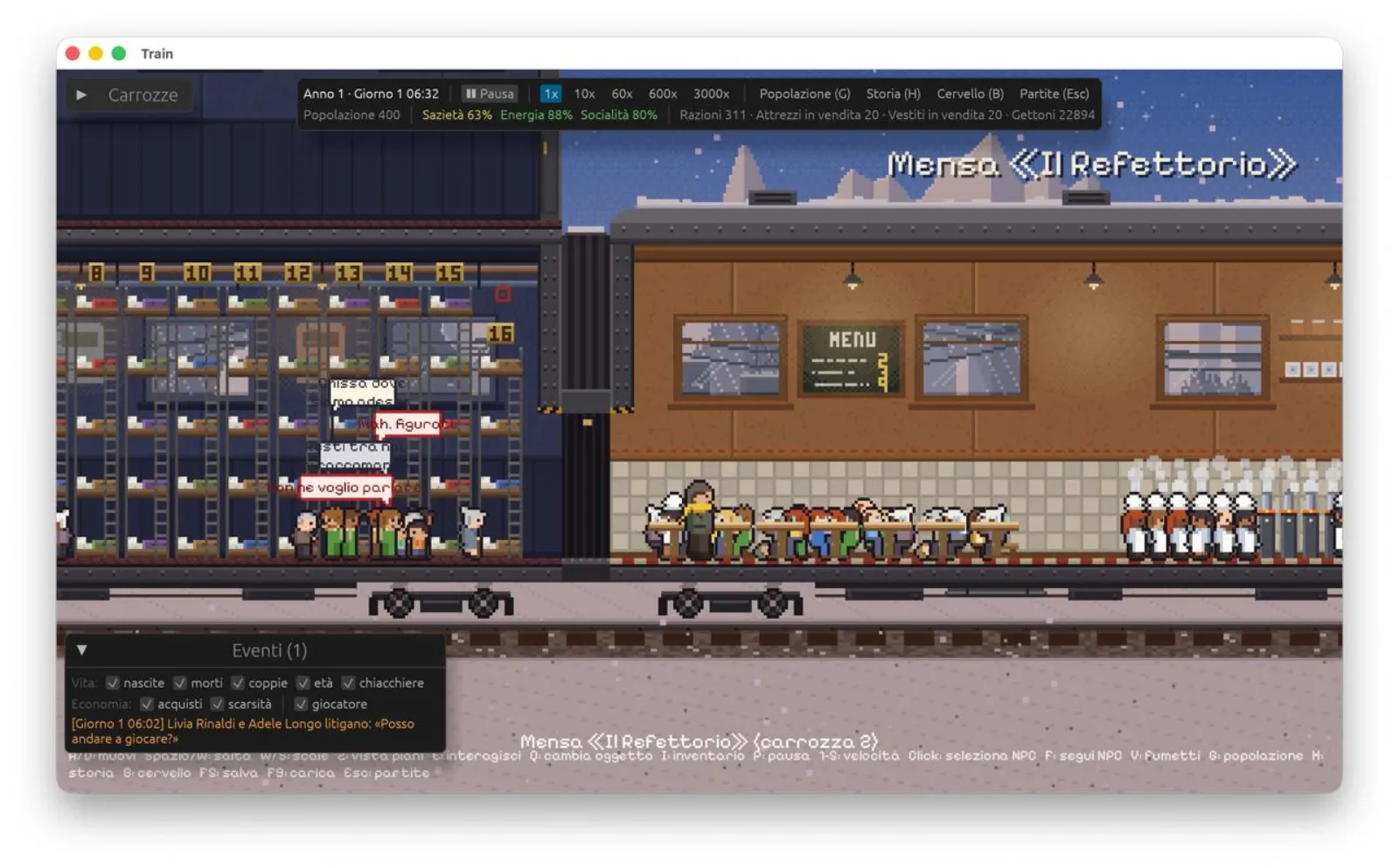
Built Trama's Rust MCP server, Mnemosyne's semantic code memory for AI, and TrainGame's validated LLM narrator.

  • MCP Protocol
  • Rust (~90 tools)
  • Candle
  • OpenAI API
  • Tree-sitter AST
02Rust · Tokio · Axum

Distributed Backend & Data

Event-driven architectures, async stream consumers, type-safe ORMs, and end-to-end observability in production environments.

Proven in practice

Designed a client's production event-driven Rust platform at Luna S.r.l. and published ducklake-orm on crates.io.

  • Rust · Tokio · Axum
  • Java · Spring Boot
  • Valkey Streams · S3
  • PostgreSQL · DuckDB
  • OpenTelemetry · Grafana
03Angular

Web, Mobile & Product UI

Fast, accessible interfaces and operator consoles designed around real workflows, live WebSocket state, and clean visual systems.

Proven in practice

Shipping operator consoles and a ~200-vehicle fleet platform in production, plus Trama's full web workspace.

  • Angular
  • React
  • React Native
  • TypeScript
  • Tailwind CSS · WebSockets
04Bevy ECS

Simulations, Engines & Native Tools

Server-authoritative multiplayer, content-addressed storage daemons, and deterministic ECS worlds compiled to native or WebAssembly.

Proven in practice

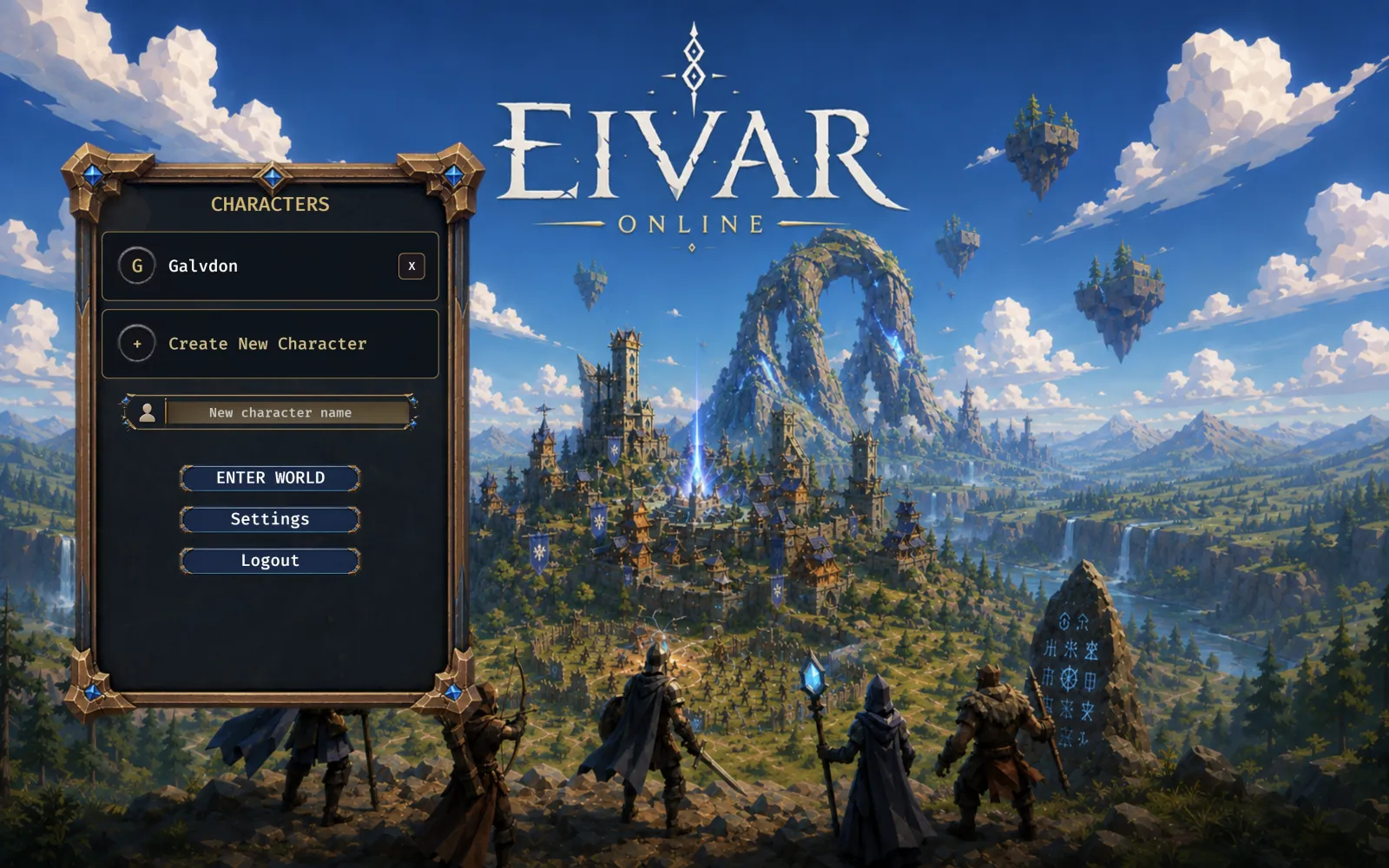
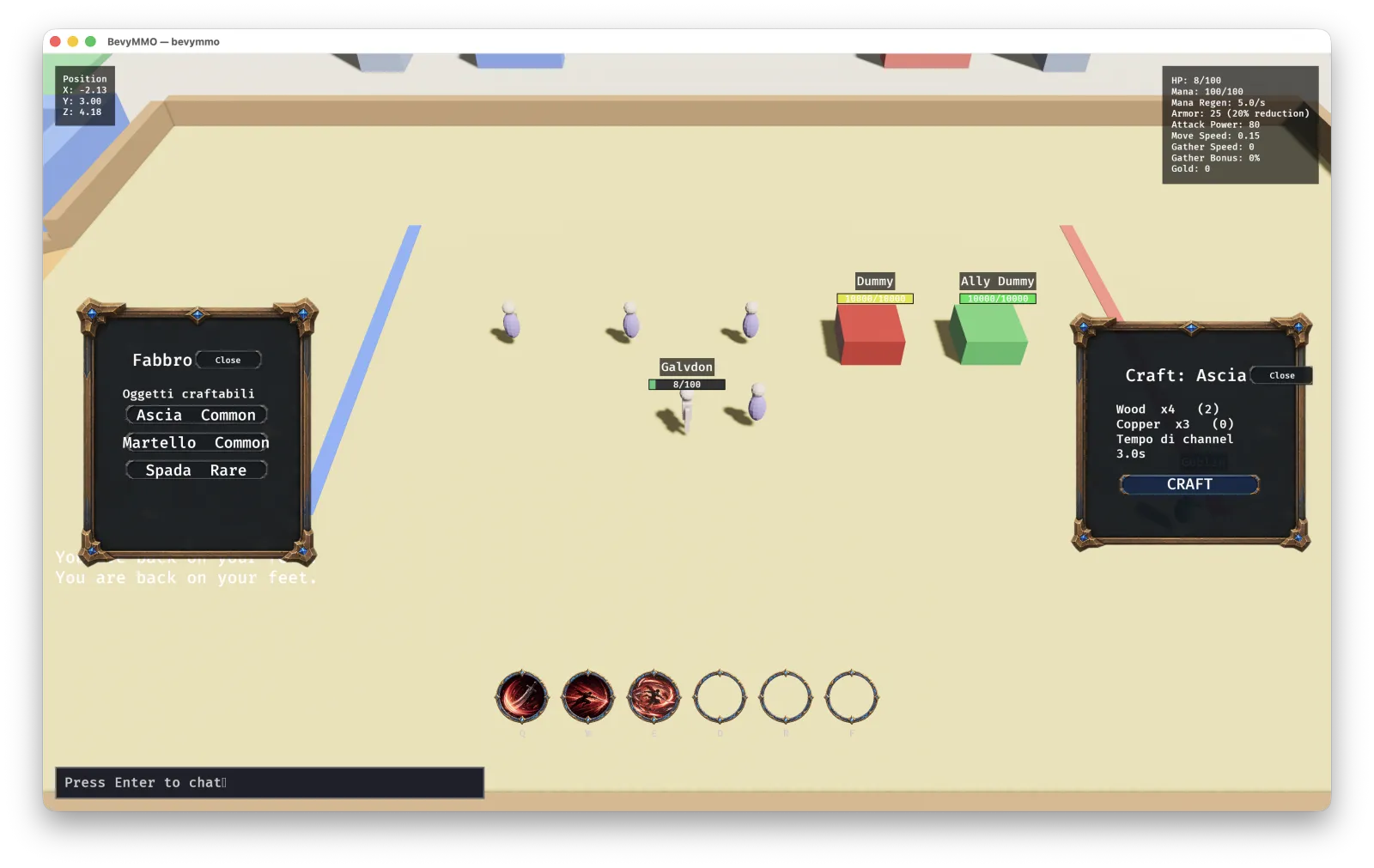
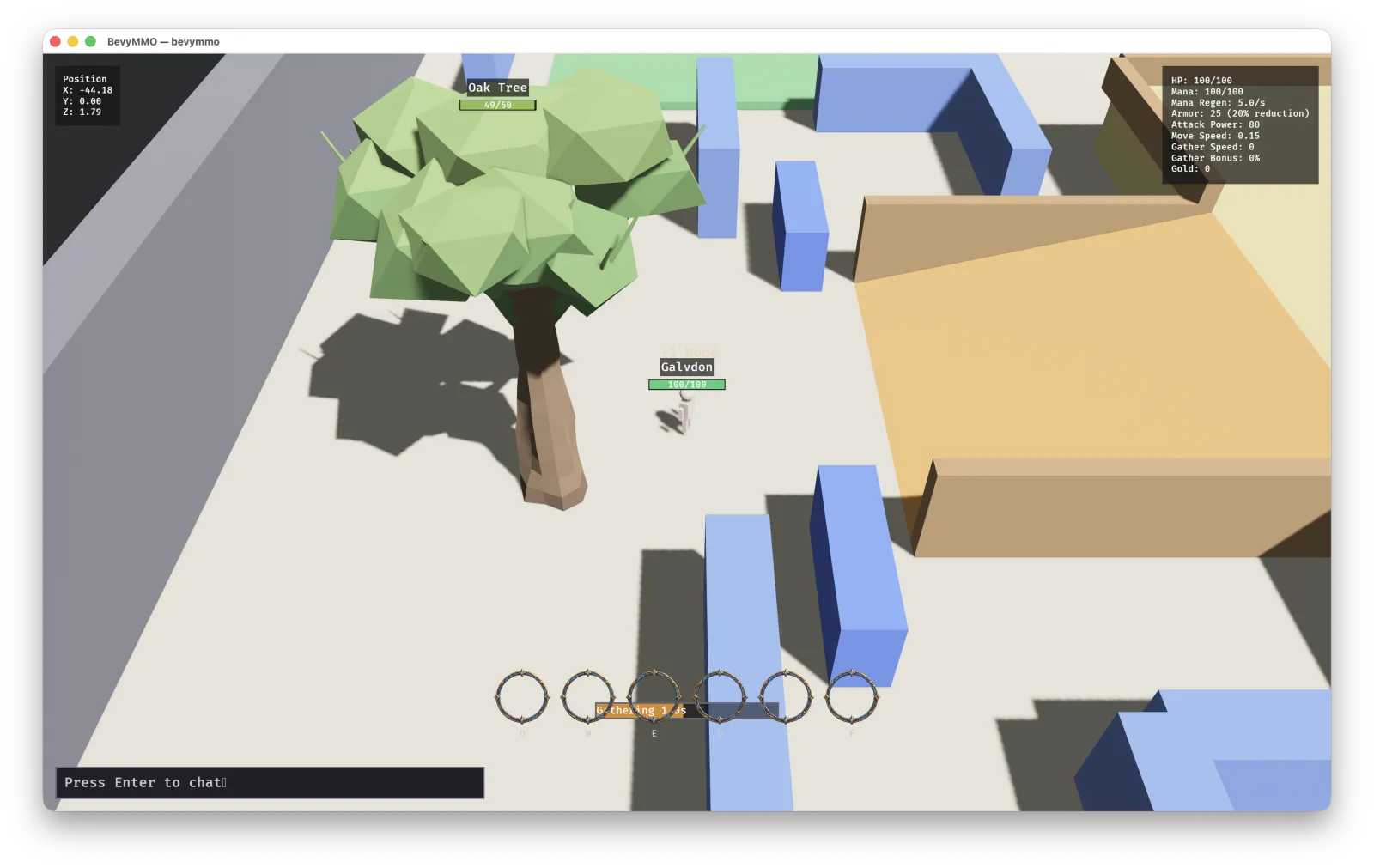
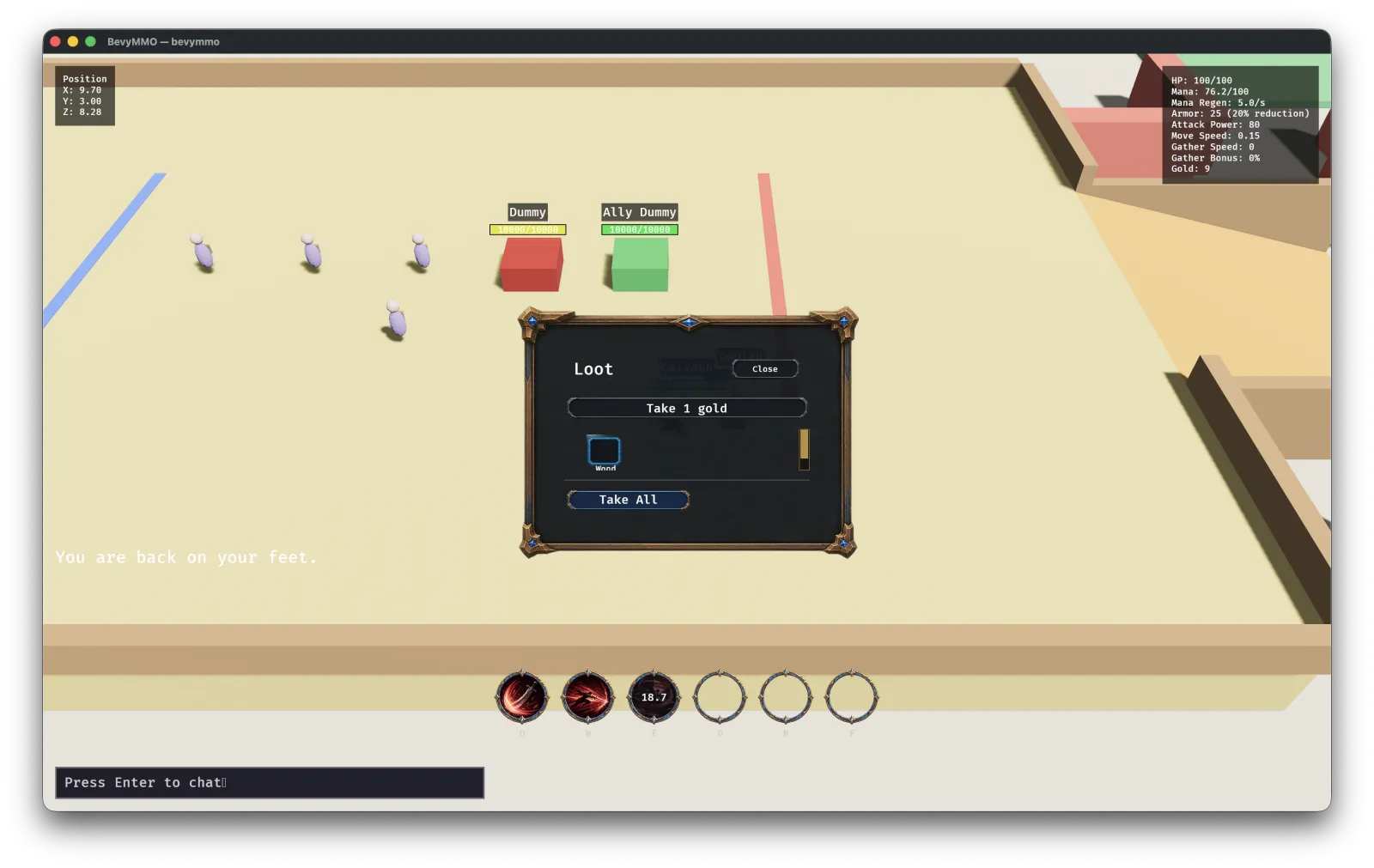
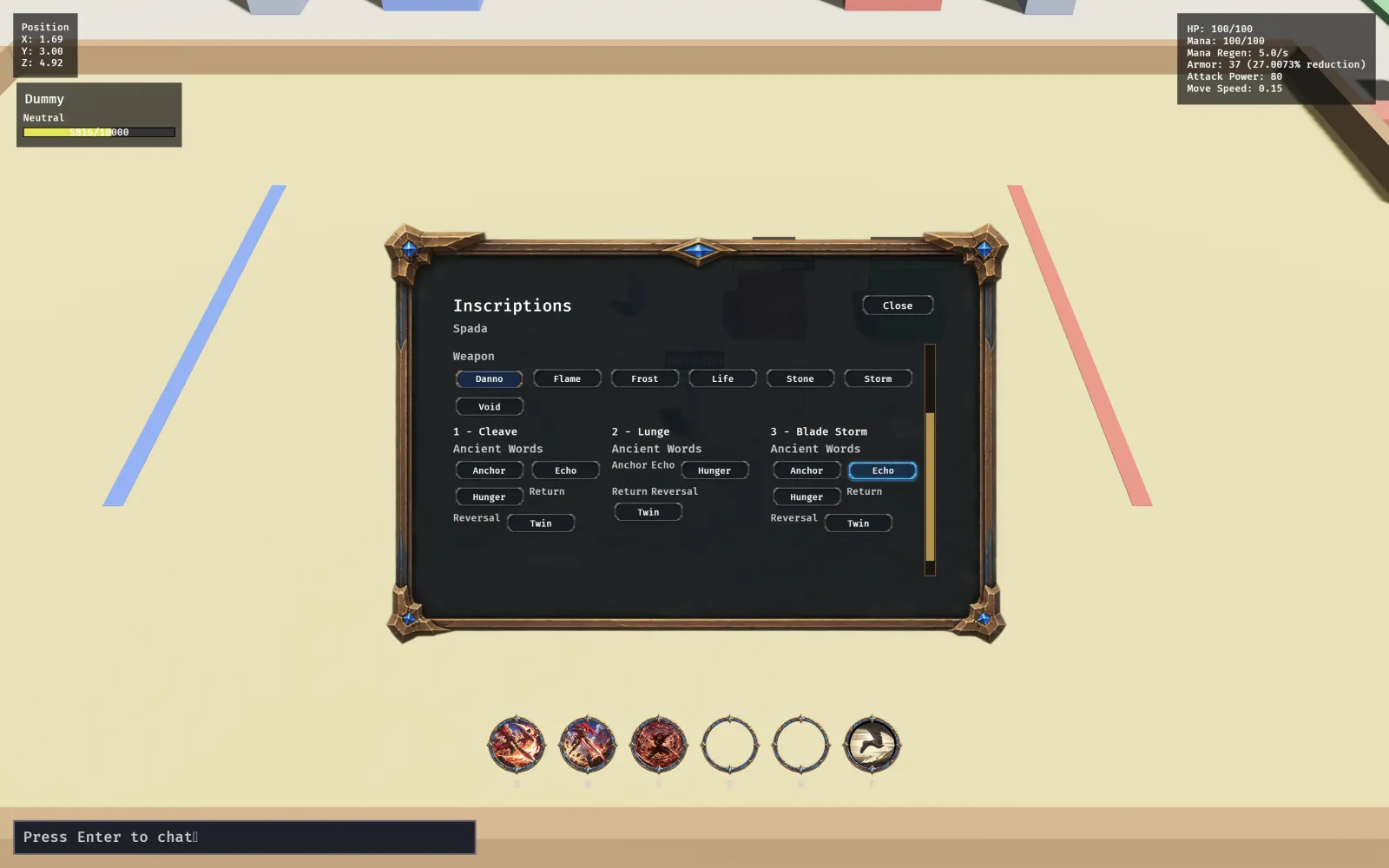
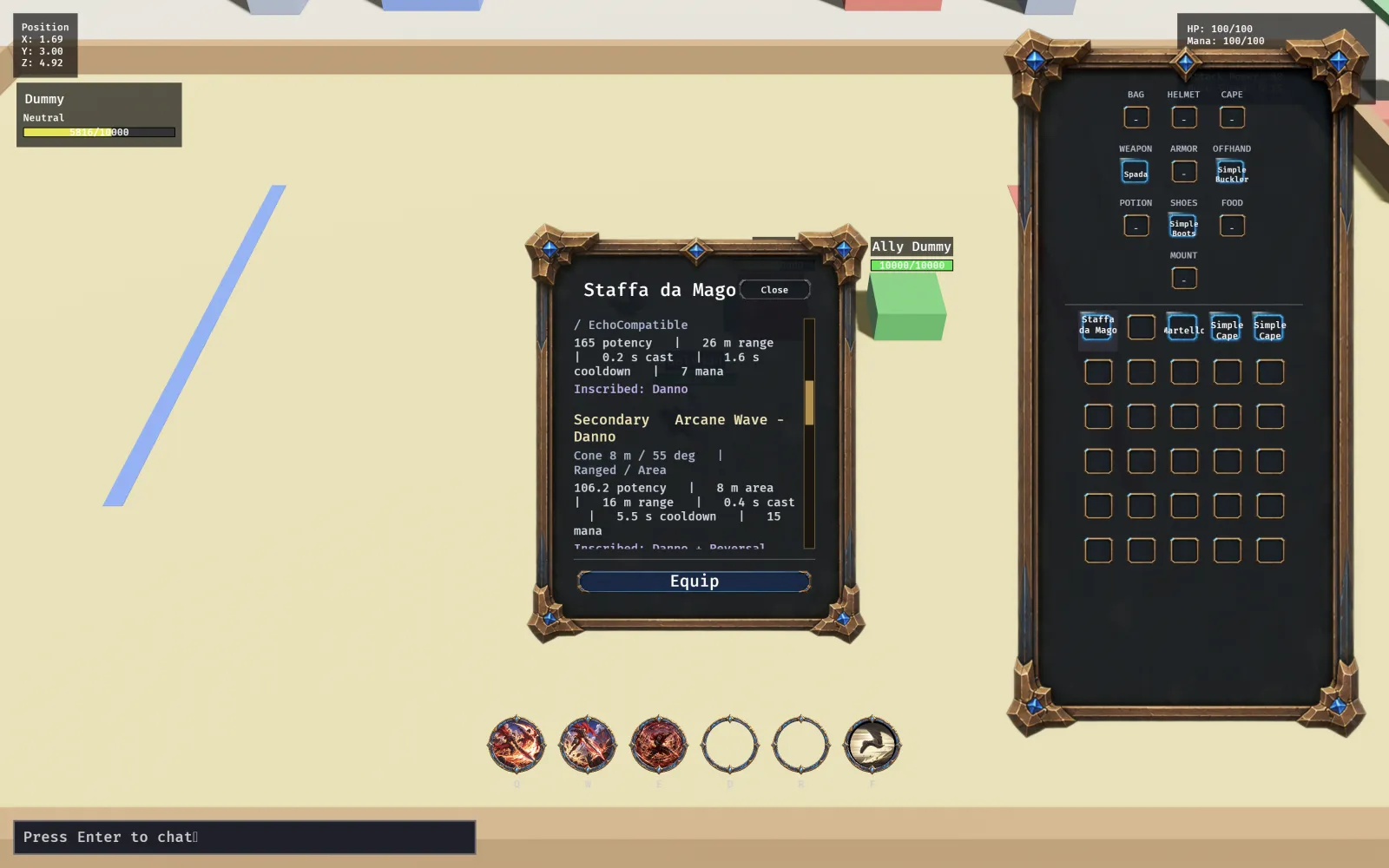
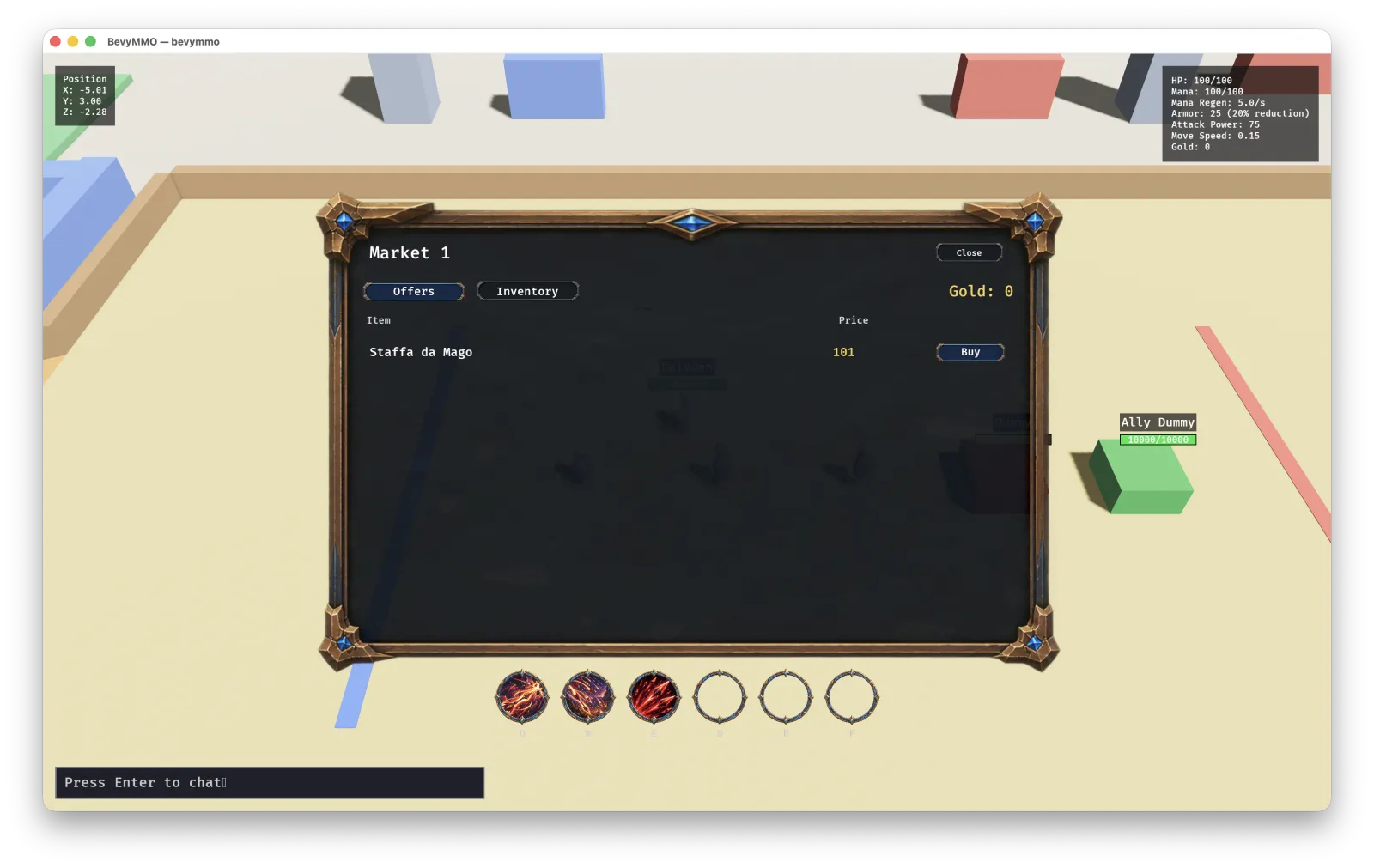
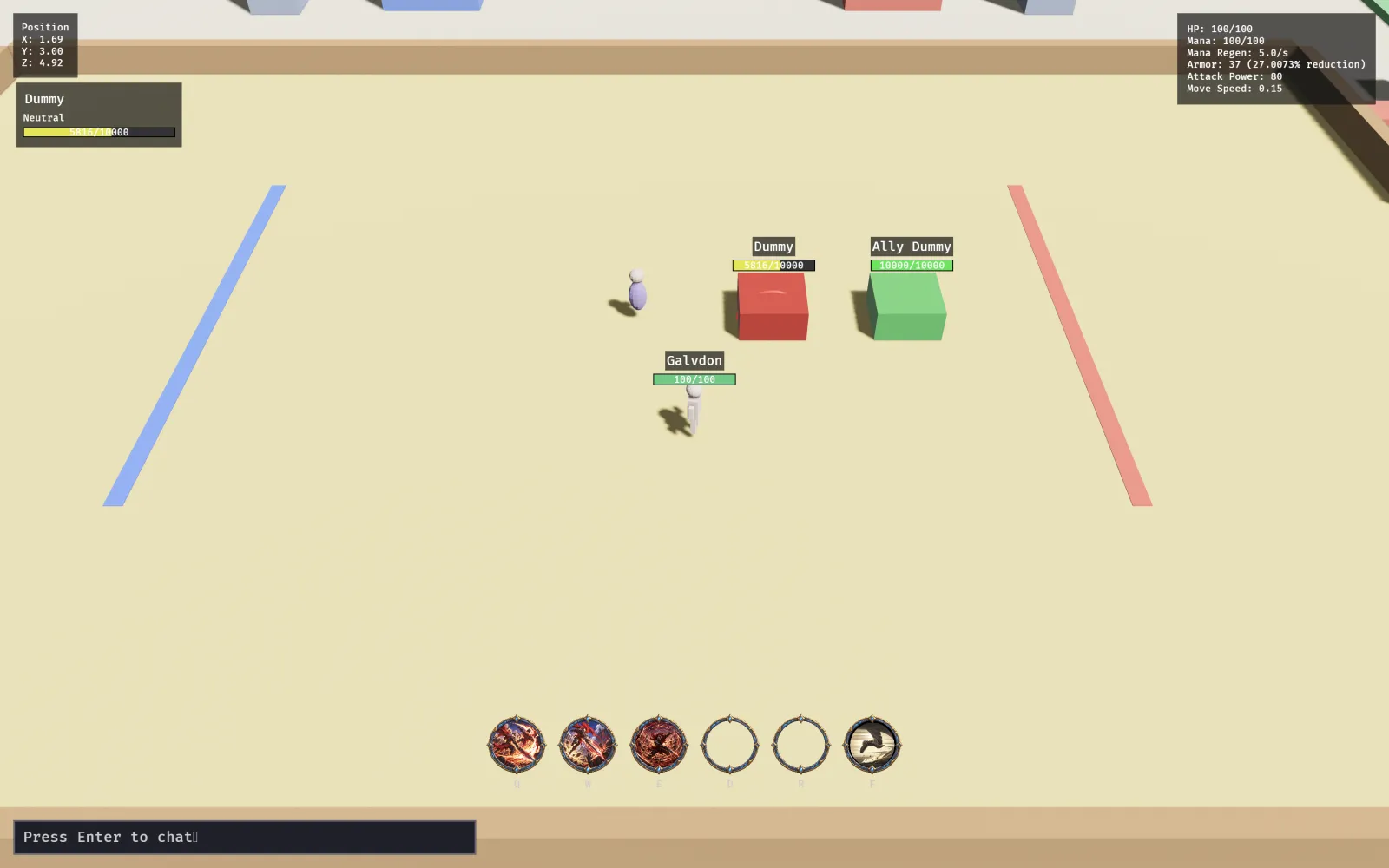
Authoring Eivar-Online's predicted multiplayer simulation and Mnemosyne's always-on local daemon.

  • Bevy ECS
  • SpacetimeDB · WASM
  • redb · BLAKE3 · zstd
  • SQLite
  • Ratatui TUI
02In production · Luna S.r.l.

Experience

At Luna S.r.l. I work across client software: a fleet platform with Java/Spring Boot, Angular and React Native; an event-driven Rust platform I designed for a client; and a new operator console with Spring Boot APIs and a React interface. Before I implement, I talk the options through with the client: what to build now, what can wait, and what each choice costs the people running the platform. The code is reviewed by a senior.

  1. Current roleJun 2026 — presentLuna S.r.l.

    Software Developer

    • Designed the event-driven Rust platform for a client project, and build it with a team of 5–10: async consumers on Valkey Streams, payloads on S3.
    • Made the services observable end to end: traces and logs through OpenTelemetry into Grafana, Loki and Tempo, so problems are traced across services instead of guessed.
    • Building a new operator console end to end — Spring Boot APIs and a React UI for the people who run the platform day to day.
    • I go through the implementation choices with the client before writing them: what to build, what to leave, and what fails for the people who operate the platform if we pick wrong.
    • Rust
    • Tokio
    • Valkey Streams
    • S3
    • OpenTelemetry
    • Spring Boot
    • React
    Read architecture & ADRs
  2. Sep 2025 — Jun 2026Luna S.r.l.

    Software Developer Intern

    • Fleet platform in Spring Boot, Angular and React Native, with live updates over WebSockets.
    • Moved onto a client's production Rust backend after two months, shipping under senior code review.
    • Small, reviewable diffs on stacked branches — the habit that makes changes safe to land in someone else's system.
    • Spring Boot
    • Angular
    • React Native
    • WebSocket
    • Rust
  3. UniversityGraduated 10 Jul 2026University of Bologna — Cesena Campus

    B.Sc. Computer Systems Technologies

    Tecnologie dei Sistemi Informatici

    B.Sc. Thesis — PETRA

    Design and Development of PETRA, an Event-Driven Platform for Real-Time Asynchronous Telemetry and Analysis

03AI · Backend · Web · Engines

Work

Real systems built from scratch: human + AI agent coordination, AST semantic history, a published Rust ORM on crates.io, full-stack platforms, and multiplayer Rust simulations.

04From problem to production

How I work

First I understand who uses the software and what each option costs. Then the problem becomes a verifiable workstream in Trama, I build it in testable increments, review every diff line by line, and leave clear context for the team.

  1. 01Understand

    Find the real problem

    Before writing code, I understand who needs it, how they work and what a useful result looks like. The stack comes after the context.

    • Talk to the people who use or maintain the software.
    • With a client, put the options and their cost on the table before choosing.
  2. 02Plan

    Write the problem down

    The problem becomes an issue in Trama before it becomes code. Then I decide what belongs in the change, what can wait, and how to know it works.

    • Open the issue in Trama before implementation.
    • Group issues that share an outcome into one workstream, with criteria you can check.
  3. 03Build

    Turn intent into working software

    Connect the pieces, not just the layers: data, logic and interface. Build in small increments that can be run, tested and understood.

    • Follow existing conventions and keep abstractions focused.
    • Build an end-to-end slice before expanding the scope.
  4. 04Review

    Read it like someone else wrote it

    Question the implementation, test the edge cases and make each diff easy to review. Writing code is only part of the work; checking it matters just as much.

    • Read every diff for correctness, clarity and unintended changes.
    • Run relevant tests and check failure paths, not only the happy path.
  5. 05Share

    Leave context, not just code

    Explain what changed, why and how to verify it. A decision that should last goes on the workstream in Trama, not only in a chat.

    • Attach the pull request to the workstream, and record a decision there when someone who never opens Delta still needs it.
    • Include reproducible checks next to the code.
Daily workbench
What stays open on my machine every day while designing and shipping.
05Contact
Open to opportunities

Got something to build? Let’s talk

The fastest way to reach me is email — I read everything and reply.

Roles & Availability
Open to Software Engineer, AI Engineer, and Forward Deployed Engineer roles — full-spectrum across backend, AI tooling, and frontend. Italy and Europe, remote or hybrid; EU citizen.
Base & Local Time
Bologna, Italy14:19 CET/CEST